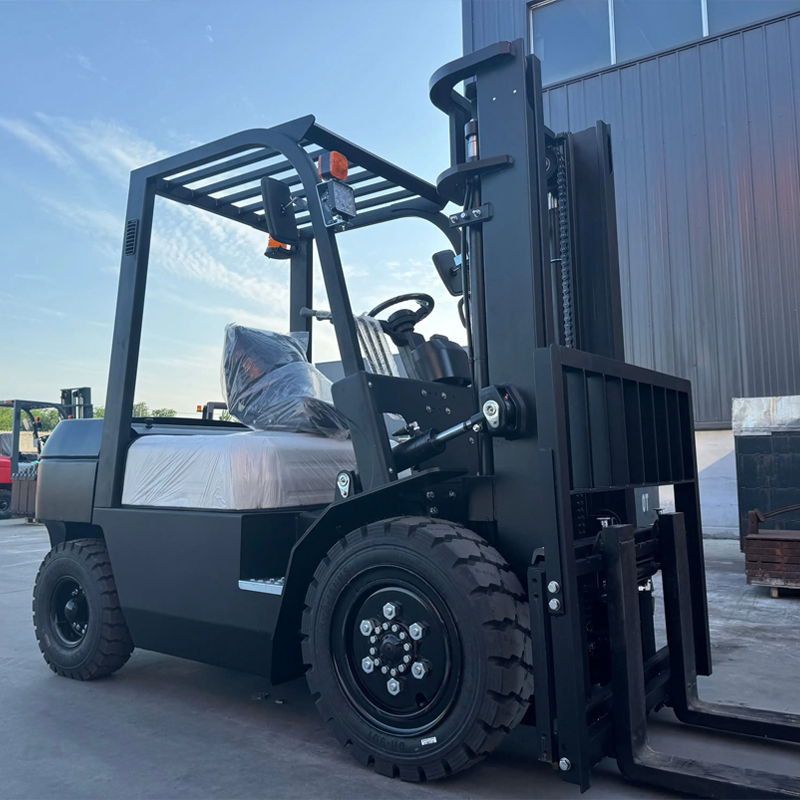
Modern production lines operate on extremely tight margins. Material handling bottlenecks compound quickly in these environments, threatening your overall output. Transitioning to an upgraded fleet is no longer just about simple emissions compliance. It represents a vital, high-impact workflow optimization strategy. Selecting the wrong equipment configuration directly causes congested aisles and frustrating shift disruptions. You risk severe downtime due to inflexible charging schedules and poorly matched fleet capabilities. These daily inefficiencies drag down otherwise perfectly optimized manufacturing systems. We built this comprehensive guide to help you avoid these specific pitfalls. It provides operations and procurement leaders a transparent, actionable evaluation framework. You will learn exactly how to match specific equipment features to concrete production outcomes. Ultimately, this approach ensures you select an electric pallet forklift capable of integrating seamlessly into your existing manufacturing environment.
Key Takeaways
Opportunity Charging is a Workflow Multiplier: Lithium-ion integration eliminates battery swapping downtime, allowing continuous multi-shift production.
Space is Production Capacity: Advanced maneuverability features (like specialized AC drive motors) allow for tighter turning radiuses, freeing up floor space for manufacturing rather than wide transit aisles.
Safety Equals Uptime: Ergonomic controls and programmable speed limits predictably reduce operator fatigue and minimize line-stopping incidents.
Infrastructure Realities: Realizing ROI requires evaluating your facility's electrical infrastructure before procurement, as high-frequency charging demands adequate panel capacity.
Framing the Bottleneck: Why Production Lines Stall
End-of-line staging areas often dictate the rhythm of an entire manufacturing facility. When finished goods pile up, upstream assembly stations must slow down. This workflow disconnect frequently stems from outdated material handling equipment. Relying on manual pallet jacks introduces severe human fatigue into your processes. Operators naturally slow their pace as a shift progresses. Conversely, using bulky internal combustion (IC) lifts indoors creates entirely different problems. They require massive transit aisles, emit hazardous exhaust, and lack the fine control needed near delicate assembly stations.
These micro-delays might seem insignificant in isolation. However, a thirty-second delay per pallet quickly escalates into hours of lost production capacity every month. True manufacturing optimization requires addressing these hidden friction points. Upgrading your material handling equipment must solve these specific workflow disconnects.
A successful equipment implementation requires clear success criteria. You should not measure success merely by assessing top travel speeds. Instead, evaluate the following operational metrics:
Continuous Uptime: Equipment must remain available on the floor throughout the entire shift cycle.
Precise Maneuverability: Operators need the ability to place heavy components perfectly on the first attempt.
Lean Integration: The machine must support Just-In-Time (JIT) manufacturing principles by navigating narrow spaces smoothly.
Modern electric material handling units address these exact criteria. They eliminate the fatigue of manual labor while offering tighter operating dimensions than traditional IC models.
Core Feature Evaluation: Power Systems & Shift Continuity
The core power system dictates how reliably your fleet performs during peak production hours. Industrial battery technology has advanced rapidly. Operations managers must understand the critical differences between legacy and modern power configurations. The choice between lead-acid and lithium-ion batteries directly impacts your shift continuity.
Lead-acid batteries represent the traditional standard. They certainly provide adequate power for light-duty, single-shift operations. However, the lead-acid reality introduces significant workflow limitations for multi-shift facilities. These batteries require strict eight-hour charging cycles followed by eight-hour cooling periods. Furthermore, OSHA regulations mandate dedicated, ventilated battery rooms to mitigate off-gassing risks. Swapping a depleted lead-acid battery mid-shift forces operators to leave the production floor. This swap wastes valuable time and stalls the feed of raw materials.
Lithium-ion (Li-ion) configurations offer a transformative operational advantage. They support a concept called "opportunity charging." Operators can safely plug the equipment into a charger during short breaks, shift changes, or lunch hours. A lithium-ion unit does not require a cooling period. This capability eliminates the need for dedicated battery rooms. It effectively removes mid-shift battery swaps entirely.
By eliminating these swaps, the electric pallet handling unit remains actively engaged on the floor. It stabilizes the delivery of raw materials to your workstations. Production lines receive a steady, predictable flow of components.
Energy efficiency metrics also play a crucial role in shift continuity. Modern units utilize regenerative braking systems. When an operator releases the throttle or applies the brakes, the motor reverses its function. It acts as a generator. This process captures kinetic energy and feeds it directly back into the battery. Regenerative braking incrementally extends the operational life of the unit during a busy shift.
Space acts as the ultimate premium resource inside any manufacturing facility. Every square foot dedicated to transit aisles represents lost production capacity. Facility managers constantly seek ways to condense aisle widths. Advanced maneuverability features make this possible.
The "Quiet Yet Mighty" Paradox
A persistent industry myth suggests battery-powered equipment lacks the necessary power for heavy manufacturing. Modern electric motors completely shatter this misconception. They deliver exceptional, heavy-duty load capacities instantly. Unlike internal combustion engines, an electric motor provides maximum torque from a dead stop. This instant torque allows operators to move massive components effortlessly.
Crucially, they deliver this power without acoustic pollution. High-decibel IC engines create chaotic environments. Excessive noise limits floor communication and masks warning signals. By adopting quiet electric systems, you immediately improve environmental safety. Workers can hear verbal instructions clearly. They can hear ambient warning alarms easily. The "quiet yet mighty" paradox means you gain immense lifting power while fostering a safer, calmer production floor.
Chassis Design and Turning Radius
The physical footprint of your equipment determines your floor layout possibilities. Feature focus must center on short chassis designs and electric power steering (EPS). Engineers specifically design these units to operate in highly confined spaces. The drive units sit tightly packed beneath the frame. This reduces the overall length of the machine significantly.
Electric power steering enhances this compact design. EPS eliminates the physical strain of turning a heavy load at low speeds. Operators can rotate the drive wheel smoothly using minimal effort. The outcome on the line is highly measurable. You can deploy an electric forklift in incredibly narrow staging lanes. They execute flawless right-angle stacking in condensed racks. This maneuverability allows you to shrink transit aisles aggressively. You can then allocate that reclaimed square footage back to active, revenue-generating production lines.
Operator Ergonomics and Risk Mitigation
Operator fatigue leads directly to errors, accidents, and line stoppages. Mitigating these risks requires equipment designed around human biomechanics. Modern handling units incorporate advanced safety algorithms and ergonomic hardware to protect both the operator and the product.
Anti-rollback mechanisms and cornering speed controls represent critical safety features. Heavy pallets carry immense momentum. When an operator navigates a sharp turn, centrifugal force threatens to tip the load. Modern units utilize internal gyroscopes and steering angle sensors. These sensors detect sharp turns and automatically reduce travel speed. The operator does not need to manually brake. The system governs the speed dynamically. Furthermore, anti-rollback systems hold the unit perfectly steady on inclines. If an operator releases the throttle on a ramp, the brakes engage instantly. This protects raw materials from tipping damage. It drastically reduces the risk of collisions near crowded assembly stations.
Vibration reduction and multi-function tillers address cumulative physical strain. Moving heavy loads across warehouse floors transfers intense vibration through the steering handle into the operator's arms. Premium equipment features isolated tiller arms built with dampening bushings. These absorb the majority of the floor shock.
Additionally, ergonomically designed handles consolidate all operational controls. Operators can access lift, lower, and horn functions using simple thumb controls. They never need to shift their grip. This intentional design predictably reduces repetitive strain injuries (RSI). When operators avoid physical pain, they maintain consistent handling speeds. You get the exact same productivity in the last hour of a shift as you did in the first.
Implementation Realities & Facility Readiness
Procuring advanced equipment solves nothing if your facility cannot support it. Successful deployments require careful pre-planning. You must audit your existing infrastructure before bringing new machinery onto the floor. Overlooking these implementation realities guarantees severe deployment delays.
Follow these essential readiness steps:
Conduct an Electrical Infrastructure Audit: An upgraded fleet requires specific power setups. High-frequency fast chargers draw substantial amperage. You must verify your facility's existing electrical panel capacity. Engaging an industrial electrician helps determine if you need transformer upgrades before committing to fast-charging infrastructure.
Map Operator Adoption Curves: Transition friction always occurs when introducing new technology. Operators accustomed to manual jacks or sluggish IC lifts need structured training. Electric motors deliver instant torque. The braking feel differs significantly due to regenerative systems. Providing hands-on practice sessions ensures operators adjust safely to the new acceleration profiles.
Evaluate Floor Surface Requirements: Floor condition dictates equipment lifespan. Compact electric pallet models utilize smaller polyurethane load wheels. These wheels require well-maintained, smooth facility floors. Large cracks, debris, or severe expansion joints cause rapid wheel degradation. A smooth floor prevents structural damage and ensures total load stability during transport.
Shortlisting Logic & Decision Framework
Selecting the optimal unit requires matching technical specifications to your exact operational reality. Over-specifying equipment wastes resources. Under-specifying creates immediate bottlenecks. You need a structured decision framework for procurement.
First, evaluate your shift density. Single-shift, light-duty applications rarely justify the most advanced power systems. For these environments, base-level equipment utilizing sealed AGM or standard batteries often suffices. They handle intermittent usage perfectly and recharge slowly overnight.
Conversely, multi-shift, high-throughput environments mandate specialized configurations. Continuous operations demand AC drive motors and lithium-ion integration. AC motors contain fewer wearable parts than traditional DC motors, minimizing maintenance downtime. Lithium-ion ensures the machine never leaves the floor for battery swaps.
Application Matching Chart
Application Profile
Recommended Drive Motor
Recommended Power System
Target Throughput Outcome
Light Duty (1 Shift)
Standard DC Motor
Lead-Acid / AGM
Intermittent load staging
Medium Duty (1.5 Shifts)
AC Drive Motor
High-Capacity Lead-Acid
Consistent line feeding
Heavy Duty (2-3 Shifts)
Advanced AC Motor
Lithium-Ion (Fast Charge)
Continuous 24/7 JIT operation
Your immediate next step involves scheduling a comprehensive site audit. Engage a specialized dealer to visit your manufacturing floor. Have them measure exact aisle widths, weigh your heaviest typical loads, and assess your power availability. This physical audit prevents critical sizing errors before you finalize a spec sheet.
Conclusion
Upgrading your material handling equipment directly impacts your manufacturing output. Features like opportunity charging keep machinery active across multiple shifts without interruption. Tight turning radiuses and compact chassis designs allow you to reclaim valuable floor space. Furthermore, programmable safety settings and ergonomic controls protect your workforce while maintaining high throughput. These elements work together to eliminate the micro-delays causing line stoppages.
An electric material handling unit serves as much more than a simple transport vehicle. It acts as a critical, integrated node in a continuous manufacturing workflow. When properly matched to your facility, it ensures raw materials flow seamlessly to assembly stations.
Take action today by auditing your current production line bottlenecks. Identify where manual labor or bulky legacy equipment stalls your momentum. Reach out to a certified equipment dealer and request an on-site demonstration to witness these workflow improvements firsthand.
FAQ
Q: How long does an electric pallet forklift battery last during a continuous production shift?
A: It depends heavily on the battery chemistry. Traditional lead-acid batteries sustain roughly eight hours of continuous operation before requiring an eight-hour recharge. In contrast, lithium-ion setups support opportunity charging. By plugging the unit in during short breaks or lunch periods, a lithium-ion battery can theoretically sustain uninterrupted 24/7 operation across multiple shifts without ever dying.
Q: Can an electric forklift handle heavy-duty manufacturing components?
A: Yes, absolutely. Modern AC electric motors deliver maximum torque instantly, offering equivalent or superior pushing and lifting power compared to internal combustion models. Depending on the specific equipment class, electric units routinely handle load capacities ranging from 4,000 to over 8,000 pounds with ease.
Q: What are the hidden operational requirements of upgrading a material handling fleet?
A: Facility readiness poses the biggest hidden requirement. You must ensure your electrical panels possess the necessary amperage to support high-frequency fast chargers. Additionally, you may need to resurface heavily damaged concrete floors to accommodate polyurethane load wheels. Finally, you must allocate time for specialized operator training to adjust to instant electric torque.
We are fully committed to the production, research and development, and sales of small and medium-sized machinery. We look forward to cooperating with you!

 English
 العربية
 Français
 Русский
 Español
 Português
 Deutsch
 italiano
 日本語
日本語 한국어
한국어 Nederlands
 Tiếng Việt
 ไทย
ไทย Polski
 Türkçe
 Bahasa Melayu
 Bahasa Indonesia
 magyar
 Română
 Čeština
 Српски
 हिन्दी
 Slovenčina
 Slovenščina
 Norsk
Norsk Svenska
 Ελληνικά
 Suomi
Suomi Dansk
Dansk Shqip
Shqip Hrvatski
 Afrikaans
 Gaeilge
 Eesti keel
 latviešu
 Български
 ქართული
 Lietuvių