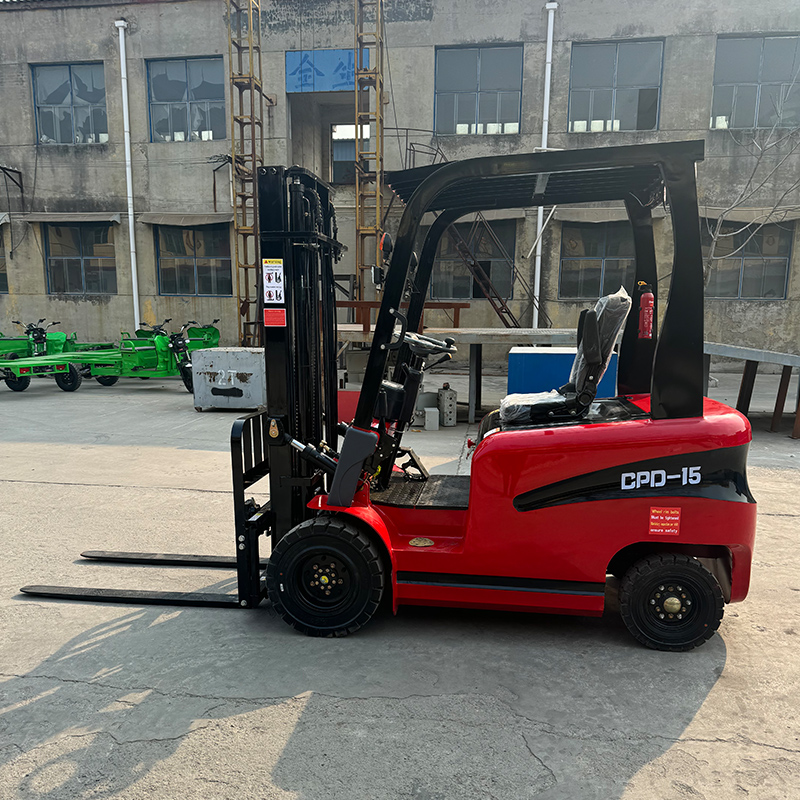
Transitioning to electric material handling reduces long-term operational costs. It also entirely eliminates harmful indoor emissions. However, the upfront capital expenditure still requires rigorous justification before purchase. Selecting the right lifting equipment is no longer just about raw load capacity. You must now align battery technology and charging infrastructure carefully. Your daily duty cycles must seamlessly match physical facility constraints. Poor alignment here often leads to workflow bottlenecks. This guide provides a comprehensive, vendor-neutral framework. It will help you evaluate an electric forklift accurately. We will walk you through analyzing critical performance metrics step by step. You will learn how to assess necessary power grid capabilities. Our methodology helps you prevent costly infrastructure missteps. Following these practical guidelines ensures your warehouse maximizes daily operational efficiency. You can confidently upgrade your fleet without unexpected delays.
Key Takeaways
Match your lift capacity to your heaviest cargo, but avoid over-speccing to preserve battery efficiency and aisle maneuverability.
Lithium-ion batteries offer opportunity charging and zero maintenance, while lead-acid remains viable for single-shift, lower-throughput operations.
Facility infrastructure (electrical grid capacity, ventilation, floor ratings) is just as critical to the purchasing decision as the forklift specs.
True ROI on an electric forklift is typically realized at the 18-to-24-month mark through reduced fuel and maintenance costs.
Defining Your Operational Baseline for an Electric Forklift
Every successful equipment procurement begins by establishing a strict operational baseline. You must define exactly how your facility moves materials daily. This foundational data prevents you from buying incorrect machinery. It also protects your daily operational efficiency.
Assess Cargo and Weight Capacity
You must define your maximum load weight accurately. You also need to determine your standard load center. Most standard warehouse pallets feature a 24-inch load center. If you handle unusually long materials, your load center shifts outward. This shift dramatically reduces the functional lifting capacity of the machine. Always calculate required capacity based on your specific load dimensions.
Skeptical Note: Do not over-estimate your capacity needs. Managers often buy larger machines "just in case." This mistake leads to an unnecessarily heavy chassis. A heavier chassis consumes more daily battery power. You will experience reduced daily runtime. It also wastes upfront capital unnecessarily.
Best Practices for Capacity Assessment
Weigh your top five heaviest typical loads.
Measure the physical length of your longest pallets.
Consult a capacity chart to verify safety margins.
Evaluate Throughput and Duty Cycles
Single-shift operations run very differently than multi-shift facilities. Single-shift teams usually operate eight hours a day. Multi-shift operations run nearly around the clock. Your schedule dictates your necessary battery chemistry. You must analyze your peak cargo transportation hours. Determine your required daily uptime precisely. High-throughput facilities cannot afford extended charging downtimes.
Map Facility Constraints
Physical facility dimensions dictate your equipment choices directly. Measure your minimum aisle widths carefully. Aisle widths dictate your chassis selection. Narrow aisles often require a three-wheel chassis design. Three-wheel models pivot tightly. They maneuver easily in congested storage areas. Wider aisles allow for four-wheel models. Four-wheel units offer better stability for exceptionally heavy loads.
You must also verify maximum racking heights. Compare these physical measurements against proposed mast specifications. An under-specced mast cannot reach your top racks. An over-specced mast might strike overhead obstacles. Check your overhead door clearances too.
Confirm your daily operating environment. Indoor warehousing uses cushion tires smoothly. Outdoor yard work demands pneumatic tires. Pneumatic tires handle uneven gravel or asphalt easily. Weatherproofing is also necessary for any outdoor usage.
Battery Technology: Lead-Acid vs. Lithium-Ion
Power source selection drives your entire warehouse workflow. The industry currently relies on two primary battery chemistries. Each option serves distinct operational profiles. You must match the chemistry to your shift schedules.
Lead-Acid (Traditional Power Systems)
Lead-acid technology has powered warehouses for decades. These traditional systems remain highly relevant today. They offer a significantly lower initial acquisition cost. They provide proven, highly reliable power delivery.
However, they demand strict, unforgiving charging schedules. An eight-hour charge phase must precede an eight-hour cooldown phase. You must build dedicated charging rooms. These rooms require proper, active ventilation systems. OSHA enforces strict compliance rules regarding hydrogen gas buildup. Operators must also perform weekly watering maintenance. Failing to water the cells destroys the battery.
Lithium-Ion (Modern Power Systems)
Modern warehouse fleets frequently transition to lithium-ion technology. This chemistry fundamentally changes how operators work. These batteries support "opportunity charging" dynamically. Operators can plug them in during lunch breaks. They require absolutely zero daily watering maintenance. They deliver higher sustained power levels consistently. Performance does not fade as the charge depletes. They also offer a significantly longer overall lifespan.
The primary drawback is the initial investment. Expect a notably higher upfront battery cost. They typically cost two to three times more initially. However, they eliminate spare battery requirements completely.
Chemistry Selection Guidance
A simple rule of thumb guides most purchasing decisions. Multi-shift operations almost always justify lithium-ion investments. The eliminated downtime pays for the higher initial cost. Light-duty, single-shift facilities can safely leverage lead-acid power. Single shifts easily accommodate the long cooldown periods overnight.
Battery Technology Decision Matrix
Feature
Lead-Acid
Lithium-Ion
Initial Cost
Low
High (2x to 3x)
Charging Cycle
8 hrs charge + 8 hrs cool
Fast opportunity charging
Maintenance
Weekly watering required
Zero maintenance
Power Consistency
Fades as battery drains
Sustained power until empty
Ideal Use Case
Single-shift operations
Multi-shift / high throughput
Infrastructure and Implementation Risks
Procuring the hardware is only half the battle. Upgrading your fleet requires extensive facility readiness. Hidden infrastructure costs often derail equipment budgets. You must audit your building before finalizing any purchase.
Electrical Grid Capacity
Electrical grid capacity often becomes a hidden bottleneck. You must verify your facility amperage early. Fast-charging infrastructure pulls massive electrical loads simultaneously. A multi-truck fleet multiplies this power demand rapidly. Implementation risks often hide inside your electrical panels.
Upgrading facility transformers is incredibly expensive. You might need new electrical drops across the warehouse. Consult a licensed commercial electrician immediately. Have them assess your current breaker capacity. Determine if your building can support multiple fast chargers safely.
Space and Workflow Allocation
Space allocation directly impacts daily productivity. Designing charging stations requires strategic spatial planning. These stations should never create bottlenecks in material routes. Keep them positioned away from high-traffic cargo corridors.
Lead-acid batteries require specific safety installations by law. You must install emergency eyewash stations nearby. Acid spill kits must be readily accessible. The floor ratings in the charging area must support heavy, concentrated loads. Changing lead-acid batteries involves heavy lifting hoists. Ensure your structural beams can support these hoists.
Operator Adoption and Training
New technology requires focused operator training. Operators must adjust to new driving dynamics. Modern units feature aggressive regenerative braking profiles. The truck decelerates automatically upon pedal release. This feels jarring to unaccustomed operators initially. Training prevents unnecessary product damage during the transition.
Digital dash diagnostics also require basic technical literacy. Operators must understand the new warning symbols. You must establish strict charging protocols immediately. Lithium-ion users must plug the machine in during every break. Lead-acid users must explicitly avoid short charging sessions. Short charging destroys lead-acid battery longevity rapidly.
Common Implementation Mistakes
Placing chargers far away from break rooms, discouraging opportunity charging.
Ignoring peak electrical demand charges from the utility company.
Failing to retrain seasoned operators on regenerative braking distances.
Forgetting to upgrade floor coatings to resist potential acid drips.
How to Shortlist and Evaluate Suppliers
Evaluating equipment suppliers involves far more than comparing sticker prices. You are establishing a long-term operational partnership. Your dealer directly influences your equipment uptime. You must scrutinize their service capabilities rigorously.
Warranty and Service Level Agreements (SLAs)
Examine the fine print on all warranty documents. Look closely for separate warranties. The truck chassis usually carries a one to three-year warranty. The battery should carry its own distinct coverage terms. Lithium-ion batteries often secure five to ten-year warranties. Lead-acid batteries usually carry shorter prorated warranties.
Evaluate local dealer response times critically. Ask about their local replacement parts availability. A massive global brand means nothing if the local dealer lacks technicians. Equipment downtime destroys your daily productivity metrics. Ensure their SLA guarantees a technician on-site within 24 hours.
Ergonomics and Safety Features
Operator comfort directly influences daily productivity. Fatigued operators make expensive mistakes. Check the equipment for standard safety technology. Mast interlock systems prevent accidental load drops. These systems lock the hydraulics if the operator leaves the seat.
Automatic speed reduction increases cornering safety significantly. The truck senses the steering angle. It slows down automatically to prevent tip-overs. Look for visibility enhancements too. Specialized overhead guards protect operators while maintaining upward visibility. LED safety halos project warning lines onto the floor. This protects nearby warehouse pedestrians.
The Demo and Site Survey
Never purchase complex lifting equipment blindly. Always mandate a comprehensive dealer site survey beforehand. A reputable dealer wants to measure your aisles personally. They will check your ramp inclines and doorway heights.
Require a multi-day practical demonstration. Test real-world battery drain aggressively on your own floor. Match it against your specific cargo handling needs. Ask your primary operators for unvarnished feedback. They will notice ergonomic flaws immediately. If a dealer refuses a demo, find another supplier.
Conclusion
Investing in an electric material handling fleet remains a strategic operational upgrade. It effectively shifts expenses from ongoing operational drain to upfront capital investment. Base your final equipment decision on actual shift demands. Analyze your facility electrical readiness thoroughly beforehand. Avoid relying solely on the initial hardware sticker price.
Take immediate action to modernize your warehouse. Schedule a comprehensive site survey soon. Contact two distinct local dealers. Compare their infrastructure assessments carefully. Review their proposed hardware quotes side by side. Selecting the right battery powered forklift transforms your internal logistics operations completely.
FAQ
Q: How long does an electric forklift battery last per charge?
A: It depends heavily on the battery chemistry. Typically, you get 6 to 8 hours of continuous operation from lead-acid batteries. Lithium-ion units can run indefinitely across multiple shifts if operators utilize opportunity charging during scheduled breaks.
Q: Can a battery powered forklift be used outdoors?
A: Yes, absolutely. You must ensure the unit is equipped with proper pneumatic tires. You also need an appropriate IP rating for weather resistance. Standard indoor cushion tires will fail quickly on outdoor gravel or rough asphalt.
Q: What is the average lifespan of an electric forklift?
A: With proper preventative maintenance, the main chassis can last 10,000 to 12,000 hours. Lead-acid batteries generally last around 1,500 cycles or five years. Lithium-ion batteries often exceed 3,000 cycles, lasting seven to ten years.
Q: Do electric forklifts lose lifting capacity as the battery drains?
A: Lead-acid batteries experience a gradual voltage drop. This can slightly reduce hydraulic lifting speeds near the end of a shift. Lithium-ion batteries maintain sustained power output. They provide full lifting capacity until entirely depleted.
We are fully committed to the production, research and development, and sales of small and medium-sized machinery. We look forward to cooperating with you!

 English
 العربية
 Français
 Русский
 Español
 Português
 Deutsch
 italiano
 日本語
日本語 한국어
한국어 Nederlands
 Tiếng Việt
 ไทย
ไทย Polski
 Türkçe
 Bahasa Melayu
 Bahasa Indonesia
 magyar
 Română
 Čeština
 Српски
 हिन्दी
 Slovenčina
 Slovenščina
 Norsk
Norsk Svenska
 Ελληνικά
 Suomi
Suomi Dansk
Dansk Shqip
Shqip Hrvatski
 Afrikaans
 Gaeilge
 Eesti keel
 latviešu
 Български
 ქართული
 Lietuvių