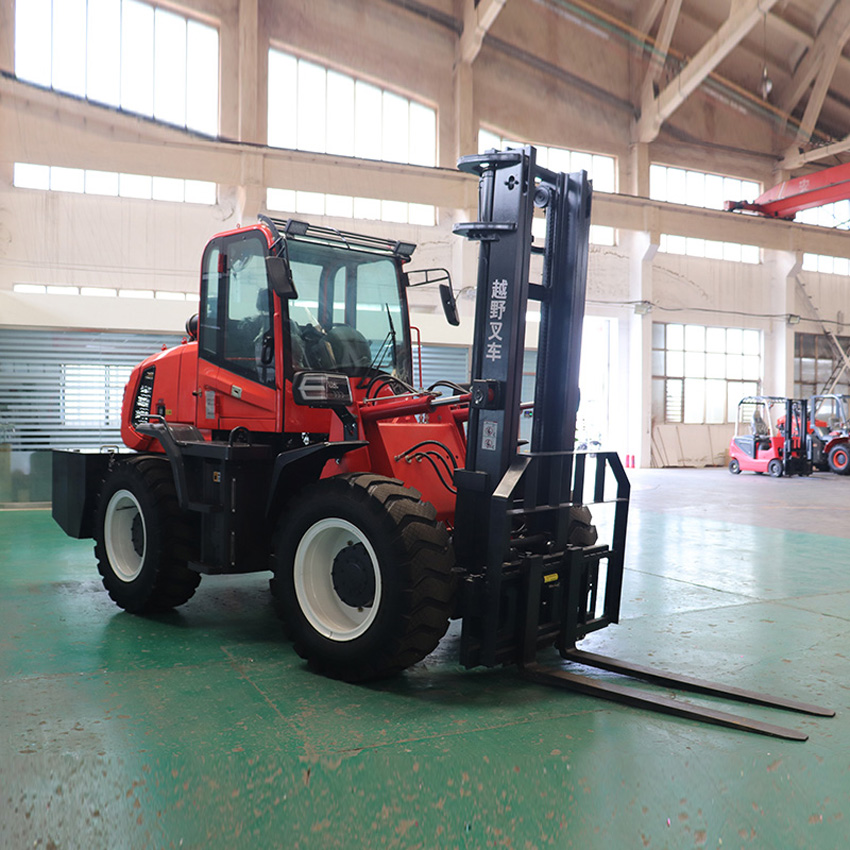
Many facilities are rapidly moving away from internal combustion fleets. They want cleaner, quieter, and more sustainable operations. However, navigating complex equipment specifications presents an immediate challenge. Procurement teams often struggle to evaluate the sheer volume of available configurations.
This article provides a structured evaluation framework for your procurement and operations teams. You will learn how to match specific equipment capabilities to your unique facility constraints. We will guide you through crucial parameters impacting daily performance. You will discover how different configurations affect your operational efficiency.
Successful adoption requires careful planning. It relies equally on precise equipment specifications, advanced battery chemistry, and robust facility infrastructure. You cannot simply pick a model from a brochure. We will show you how to align every technical detail to your primary business goals. This ensures your transition delivers maximum value.
Key Takeaways
Precise load weight and maximum lift height requirements dictate the core chassis and mast configuration.
Facility layout (specifically aisle width and racking types) determines whether a standard counterbalance or narrow-aisle truck is required.
Choosing between lithium-ion and lead-acid batteries fundamentally alters upfront costs, shift capabilities, and charging infrastructure needs.
True ROI calculations must factor in long-term maintenance reductions, battery lifecycles, and facility electrical upgrades.
Post-purchase vendor support and parts availability are critical for minimizing operational downtime.
Assessing Load Capacity and Lift Height Realities
Defining Base Capacity vs. Derated Capacity
Maximum load weight changes drastically as forks elevate. You must understand this fundamental rule before making a purchase. An electric forklift typically advertises a base capacity. This rating applies only under optimal, ground-level conditions. Lifting loads to maximum heights reduces safe carrying limits.
Adding specialized attachments alters capacity further. Side shifters add physical weight to the carriage. Paper roll clamps push materials outward. This forward push moves the center of gravity. Manufacturers provide derated capacity data plates for these scenarios. You must consult these plates. Never assume base capacity applies universally across all tasks.
Mast Configurations and Clearances
You must evaluate different mast types based on your environment. Maximum rack height dictates your required upward reach. Lowest overhead clearances dictate your required collapsed height. Common mast configurations include:
Two-Stage Masts: Ideal for basic stacking operations. They offer limited free lift.
Three-Stage Masts: Excellent for high stacking. They allow loading inside trailers due to low collapsed heights.
Quad Masts: Necessary for extreme heights. They feature four stages for maximum vertical extension.
Measure your lowest dock doors carefully. Check clearance around sprinkler systems. Inspect hanging HVAC units. Mismatched masts cause severe facility damage. They also create significant safety hazards for operators.
Load Center Calculations
Matching the truck load center to actual material dimensions ensures stability. A standard load center typically measures 24 inches. This assumes a standard 48-inch pallet. Handling longer loads shifts the center of gravity forward. This creates dangerous tip-over risks.
Always calculate exact material dimensions before purchasing. A 60-inch long load moves the center to 30 inches. This severely reduces the safe lifting capacity. An appropriately specified electric lift truck accounts for these elongated dimensions. It prevents accidents and protects your inventory.
Facility Layout and Environmental Constraints
Navigating Aisle Widths
Your existing racking layout dictates your equipment choices. You must compare standard counterbalance models against specialized narrow alternatives. Compare their minimum turning radius requirements closely. A standard counterbalance model needs wide aisles. They typically require 12 to 14 feet of clearance for right-angle stacking.
Reach trucks operate comfortably in tighter spaces. They usually require 8 to 10 feet aisles. Very narrow aisle (VNA) models work in incredibly tight configurations. Some operate in aisles as narrow as 5.5 feet. You must measure your actual aisle dimensions. Do not rely on original building blueprints. Racking shifts over time.
Tire Selection for Specific Surfaces
Tire selection impacts performance, safety, and equipment lifespan. You must choose tires suited for your primary driving surfaces.
Cushion Tires: These are optimal for smooth, indoor concrete floors. Manufacturers make them from solid polyurethane. They provide a much smaller turning radius. This makes them perfect for tight warehouse navigation.
Pneumatic and Solid Pneumatic Tires: These are necessary for rougher terrain. They absorb shocks effectively. You need them for outdoor yard work. They also handle mixed indoor and outdoor applications seamlessly.
Specialized Environments
Harsh environments demand mandatory equipment modifications. Cold storage facilities pose unique challenges. Moving between freezing temperatures and ambient loading docks creates condensation. This moisture damages sensitive electronic components. You must request specialized condensation protection. Cold environments also require specific low-temperature lubricants.
Hazardous material zones require strict safety protocols. Chemical plants or grain facilities contain combustible dust and vapors. Standard equipment poses ignition risks. You must mandate EE or EX safety ratings. These ratings ensure spark-proof operation. They seal motors and electrical panels completely.
Selecting the Right Battery and Charging Infrastructure
Lithium-Ion vs. Lead-Acid
Your battery choice fundamentally alters your facility workflow. It dictates shift capabilities and maintenance routines. Consider your operational cadence carefully before deciding. Evaluate the distinct characteristics of each chemistry.
Battery Technology Evaluation Matrix
Operational Metric
Lead-Acid Technology
Lithium-Ion Technology
Initial Capital Expenditure
Lower upfront acquisition cost
Higher upfront acquisition cost
Shift Suitability
Ideal for single-shift operations
Ideal for multi-shift throughput
Charging Protocol
Requires full 8-hour charge cycles
Enables rapid opportunity charging
Maintenance Needs
Weekly watering and equalizing
Virtually zero active maintenance
Lead-acid batteries suit single-shift operations well. They require dedicated charging rooms. You must install proper ventilation systems. Regular watering maintenance remains mandatory. Lithium-ion batteries enable opportunity charging during short breaks. They demand zero daily maintenance. This chemistry perfectly supports high-throughput facilities.
Infrastructure Realities
You must assess your facility electrical grid capacity thoroughly. Do not skip this critical step. Adopting fast-charging lithium-ion fleets carries hidden infrastructure risks. You must verify your building electrical service limits. Can your current grid handle peak charging loads?
Fast chargers draw massive amounts of amperage. Multiple units charging simultaneously can overwhelm legacy breaker panels. This causes frequent power overloads. Hire a certified electrical contractor. Have them audit your incoming three-phase power capabilities. You may need costly transformer upgrades. Identify these limits early in your planning phase.
Space Allocation
Factor in the physical square footage required for charging stations. Space represents a premium asset in most warehouses. Lead-acid solutions consume significant floor space. They require battery extraction equipment for multi-shift swaps. You must install safety wash stations nearby.
You must also allocate space for emergency spill kits. OSHA enforces strict regulations regarding lead-acid charging areas. Lithium-ion chargers occupy a much smaller footprint. You can mount them directly on support columns. You can place them near break rooms. This decentralizes your charging strategy effectively.
Post-Purchase Implementation and Dealer Support
Service Level Agreements (SLAs)
Equipment breaks down eventually. You must plan for these inevitable interruptions. Evaluating vendor response times is absolutely critical. Request detailed service level agreements before signing any contracts. Look closely at their policies for emergency repairs.
Check their planned maintenance schedules carefully. A strong SLA minimizes costly operational downtime. It guarantees a technician arrives within a specific timeframe. Typically, industry leaders offer four-hour response windows. Hold your dealer accountable to these metrics. Uptime dictates your ultimate success.
Parts Availability and Technician Expertise
Your local dealer must maintain high first-time fix rates. Ensure they employ factory-certified technicians. These experts must intimately understand your chosen brand. They must specialize in your specific battery system.
Ask about their local parts inventory. Where do they stock common wear components? Delays in parts delivery halt your entire operation. A technician waiting a week for a contactor costs you money. Choose partners who maintain robust local distribution networks.
Operator Training and Change Management
New equipment requires updated safety training. Factor in immediate OSHA certification updates. Adjusting operator habits takes time and patience. Electric models handle differently than older internal combustion units.
Train operators to maximize regenerative braking. This technique extends battery life significantly. It reduces wear on physical brake components. Poor driving habits drain batteries quickly. They cause unnecessary impact damage. Comprehensive change management protects your hardware investments.
Rental Backups
Assess your dealer short-term rental fleet capacity. Sudden catastrophic breakdowns happen. Peak-season volume spikes demand extra equipment instantly. A robust rental backup prevents catastrophic shipping delays.
Ask dealers about their rental availability during holidays. Ensure they can deliver matching equipment specifications. You cannot replace a narrow-aisle model with a standard counterbalance unit. Verify their rental fleet diversity early. This guarantees you maintain continuous throughput during emergencies.
Conclusion
Choosing an electric forklift remains a holistic facility decision. It goes far beyond a simple equipment purchase. Every specification interacts directly with your physical environment. You must align your mast height, tire selection, and battery chemistry carefully. Ignoring facility constraints leads to severe operational bottlenecks.
We recommend taking structured actions before finalizing any procurement decisions. Follow these fundamental steps to ensure success:
Audit your exact aisle widths and overhead clearances physically.
Weigh your heaviest loads to determine precise derated capacity requirements.
Consult an electrical engineer to verify your building grid limits.
Evaluate local dealer service response times and parts availability.
Partnering with experienced professionals mitigates costly errors. Do not rely solely on digital brochures. Schedule a comprehensive facility audit today. Let qualified experts map your operational realities directly to your material handling strategy.
FAQ
Q: How long does an electric forklift battery typically last?
A: Lifespan depends entirely on battery chemistry and maintenance habits. Traditional lead-acid batteries typically last for about 1,500 charging cycles. They degrade faster if operators skip watering routines. Lithium-ion batteries last significantly longer. They frequently exceed 3,000 cycles. They maintain consistent power output throughout their entire extended lifespan.
Q: Can an electric lift truck be used outdoors?
A: Yes, but it requires specific configurations. You cannot use a standard indoor model outside safely. Outdoor use mandates specialized weatherproofing packages. You must seal critical electrical components against rain and dust. Furthermore, you must equip the truck with solid pneumatic tires. These tires handle rough, uneven yard terrain effectively.
Q: What is "opportunity charging" and do I need it?
A: Opportunity charging involves plugging the equipment in during short intervals. Operators charge batteries during lunch breaks or shift changes. It eliminates the need for full eight-hour charging cycles. You need this strategy for demanding multi-shift operations. It requires lithium-ion technology to function safely without degrading the battery cells.
Q: How much facility downtime is required to install charging stations?
A: Downtime varies based on your existing infrastructure. Simple wall-mounted chargers might require only a few hours of installation time. However, major installations require significant electrical upgrades. Installing new breaker panels or transformers can cause weekend-long power interruptions. You must coordinate closely with certified electrical contractors to minimize operational delays.
We are fully committed to the production, research and development, and sales of small and medium-sized machinery. We look forward to cooperating with you!

 English
 العربية
 Français
 Русский
 Español
 Português
 Deutsch
 italiano
 日本語
日本語 한국어
한국어 Nederlands
 Tiếng Việt
 ไทย
ไทย Polski
 Türkçe
 Bahasa Melayu
 Bahasa Indonesia
 magyar
 Română
 Čeština
 Српски
 हिन्दी
 Slovenčina
 Slovenščina
 Norsk
Norsk Svenska
 Ελληνικά
 Suomi
Suomi Dansk
Dansk Shqip
Shqip Hrvatski
 Afrikaans
 Gaeilge
 Eesti keel
 latviešu
 Български
 ქართული
 Lietuvių