
 EN
EN
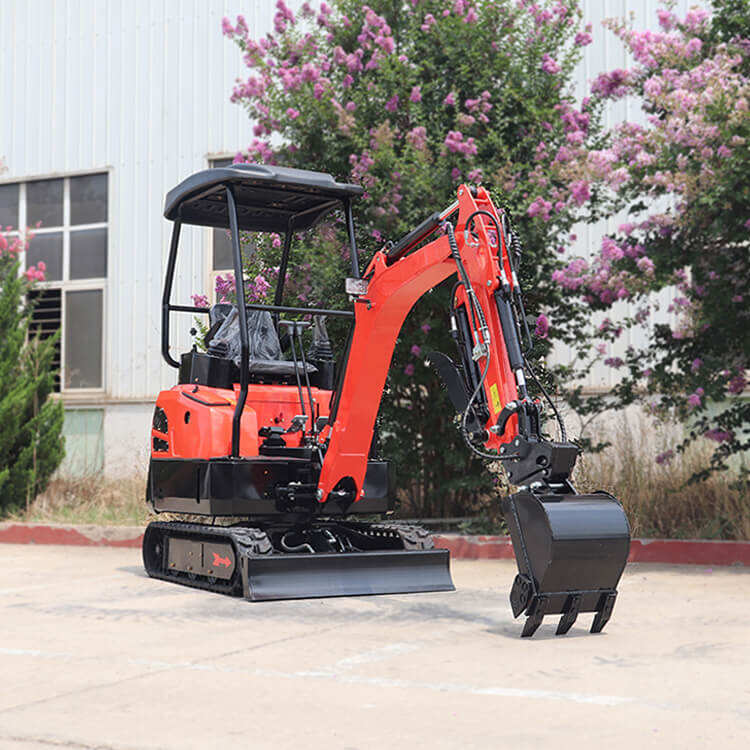
Mini Excavators – Core Design & Functionality Differences
Structural design: Mini excavator vs. backhoe configurations
Mini excavators have those rotating cabs sitting on tracked undercarriages which let operators work full circle even when space is really limited. Backhoes take a different approach altogether, combining an excavator arm that stays put with a front loader attached to wheels instead of tracks. The way these machines are built gives them very different advantages. Mini excavators shine at digging precisely in cramped spots where bigger machines can't fit, whereas backhoes handle multiple jobs well across wide open areas. A recent report from Heavy Equipment Design in 2024 actually shows how much room each takes up during operation. Mini excavators need about 40 percent less space compared to similar sized backhoes, making them ideal for projects where every inch counts.
Power, size, and mobility comparison for informed decision-making
Mini excavators generally range from around 1 ton up to about 8 tons, focusing more on being able to move through tight spaces rather than just brute strength. The tracks on these machines keep their footprint light, with ground pressure sitting somewhere between 0.35 and 0.5 psi. This makes them great for working on delicate terrain without causing damage. Backhoes tell a different story though. These bad boys tip the scales at 4 to 10 tons and pack way more punch under the hood too. We're talking about horsepower numbers that jump from roughly 85 to 110 compared to mini excavators' 45 to 75 HP range. That extra muscle lets them handle heavier materials no problem. But there's a trade off here. Backhoes push down on the ground with pressures ranging from 8 to 12 psi, which is quite a bit more than their smaller cousins. And when it comes to moving around job sites, mini excavators can only manage about 2 to 3 miles per hour. Meanwhile backhoes zip along at speeds between 25 and 30 mph, making them much better choices for projects where equipment needs to be relocated frequently throughout the day.
Key operational differences: Rotation range and digging mechanics
What makes mini excavators so efficient? Well, their full 360 degree rotation means operators don't have to keep moving around the site for continuous trenching work. According to CEMA data from 2023, these machines can handle complex digging patterns about two thirds faster than traditional backhoes, which only manage around 200 degrees of movement. The hydraulic controls on mini excavators give much better grading accuracy too, staying within just a quarter inch either way. Backhoes rely on older mechanical linkages that simply can't match this level of precision. When it comes to digging depth, most mini models go down between 13 and 15 feet. Industrial backhoes dig deeper at 16 to 18 feet though. So there's really a compromise happening here between getting super accurate results versus being able to dig those extra couple feet when needed.
Project Suitability: Matching Machine to Job Requirements
When to use a mini excavator: Small-scale, urban, and residential applications
Mini excavators work great in tight spaces where careful maneuvering matters most. These machines typically weigh less than six metric tons and many have those zero tail swing features that let them turn on a dime. Contractors love using them in crowded city streets, backyard projects, and around delicate infrastructure without causing damage. From fixing sidewalks to upgrading old utility lines or doing garden work, these little beasts get the job done right. According to recent industry data from 2023, about seven out of ten contractors opt for mini excavators when working between buildings or other obstacles simply because they fit where bigger machines just can't go.
Backhoe advantages in large construction, agriculture, and material handling
In big jobs around town, backhoes tend to be the go-to machine because they can do two things at once and pack quite a punch when needed. With that front loader attached and those sizable buckets, operators move dirt fast enough to keep projects moving without much waiting around, especially when dealing with sites that shift hundreds or even thousands of cubic yards each day. Construction crews love them for road work, farmers rely on them for setting up irrigation systems, and they're pretty handy for digging drainage ditches across fields too. Sure, they aren't built for squeezing into tiny spaces, but nobody really cares about that when what matters most is getting the job done quickly and efficiently.
Digging depth, reach, and site coverage: Practical performance benchmarks
| Metric | Mini Excavator Range | Backhoe Range | Ideal Application Match |
|---|---|---|---|
| Max Digging Depth | 10'-14' | 14'-16' | Foundation trenches vs. ponds |
| Horizontal Reach | 17'-22' | 24'-28' | Pipe laying vs. drainage canals |
| Daily Coverage Area* | 1,000-1,500 sf | 5,000-8,000 sf | Urban renewal vs. farm grading |
*Based on 8-hour operation in typical soil conditions (CLAY-LOAM, 110-130 psi bearing capacity)
Mini excavators offer millimeter-grade control within compact work zones, while backhoes cover up to five times more area per shift. The choice depends on whether the priority is precision in crowded spaces or bulk earth displacement in open terrain.
Maneuverability and Access in Confined Spaces
Mini Excavator Size and Zero-Tail Swing: Ideal for Tight Urban Environments
Designed specifically for tight city spaces, mini excavators typically measure less than three feet wide and feature what's called zero tail swing technology. This means there's no rear overhang when the machine turns around, making them much safer to work near walls or other obstructions. According to findings published last year in the International Journal of Construction Engineering, these zero tail models actually cut down on needed workspace by about 35 percent compared to regular backhoes. The construction industry has noticed this advantage, especially in crowded environments where space is at a premium. Contractors report better safety records and improved productivity rates since switching to these compact machines for urban projects.
Backhoe Footprint and Turning Radius Limitations on Compact Sites
Most backhoes need around 12 feet of space to turn completely around, which becomes a real problem in cramped work areas. The way these machines are built with two sections means they typically have a turning radius somewhere between 7 and 9 feet. That forces operators to constantly move them around in tight spots like narrow streets or between structures. According to recent industry data from the Construction Equipment Association, more than half of all contractors experience delays on their projects whenever they try to operate backhoes in spaces narrower than 15 feet wide. This space requirement can really slow things down on job sites where room is at a premium.
Transportation and Setup Considerations for Both Machines
Most mini excavators can be hauled around on regular equipment trailers, something that about 8 out of 10 contractors prefer based on last year's Equipment Logistics Report. Backhoes tell a different story though since they typically weigh between 8 and 10 tons, so folks usually need bigger trucks with special ramps to move them. When it comes to getting started on site, mini excavators have another edge too. They're ready to go within roughly 8 minutes while backhoes take at least 15 minutes because operators have to deploy those stabilizers and calibrate all the systems first before doing any real work.
Precision, Productivity, and Operator Control
360-Degree Rotation of Mini Excavators for Enhanced Precision and Efficiency
Mini excavators can rotate all the way around 360 degrees, which means operators don't have to move the whole machine when digging, swinging, or dumping material. This saves time - studies from Construction Efficiency Research show cycle times drop about 30% compared to traditional backhoes. The constant rotation also helps keep buckets accurate to within roughly an inch either way. That kind of precision matters a lot when working close to buried pipes or cables, or doing delicate landscaping jobs where exact placement counts.
Backhoe Swing Limitations (200-Degree Range) and Impact on Workflow
Limited to a 200-degree swing, backhoes require repositioning 40% more frequently during complex tasks. While sufficient for linear work like roadside ditches, this constraint increases fuel consumption by 15–20% in multidirectional operations (Workflow Optimization Analysis, 2023), reducing overall efficiency in dynamic job environments.
Is Full Rotation Always Necessary? Evaluating Real-World Needs
Getting full rotation really boosts productivity in city environments and residential areas, though it doesn't pay off as much when working on straight lines or big open spaces. Most contractors have seen that around 70 to 75 percent of home site grading work gets done just fine within what a backhoe can reach without spinning all the way around. When picking between machines, look at what the job actually needs. Mini excavators shine where precise movements matter everywhere around them, but if brute force digging and faster movement between sites is what counts most, then backhoes still make sense for many projects.
Versatility Through Attachments and Long-Term Value
Common mini excavator attachments: Augers, breakers, grapples, and more
Most mini excavators come with all sorts of attachments these days, and according to Equipment Today's 2023 report, around 9 out of 10 contractors typically work with at least three different ones throughout the year. Take augers for instance they can drill pretty accurate holes measuring about 15 inches across, which works great for fence posts or tree planting jobs. Then there are those heavy duty hydraulic breakers that pack a punch between 600 to 1200 blows per minute, making them ideal for breaking concrete during demolition projects. And don't forget rotating grapples that help sort through construction waste or manage fallen trees on job sites. What makes these machines so valuable is how versatile they become when equipped with the right tools for whatever task needs doing.
Backhoe-compatible tools for digging, lifting, and material moving
Backhoes leverage large buckets (up to 36”) for trenching and grading, front loaders for transporting 1,800–2,500 lbs of material, and pallet forks with 1,100–1,600 lb lift capacities. While their attachment range is narrower, backhoes allow faster tool changes—typically completed in 2–3 minutes, compared to 5–7 minutes on mini excavators in field tests.
Comparing attachment ecosystems for flexibility and ROI
| Feature | Mini Excavator Attachments | Backhoe Attachments |
|---|---|---|
| Average Cost | $1,200 - $4,500 | $800 - $3,200 |
| Change Time | 5-7 minutes | 2-3 minutes |
| Specialty Options | 40+ (Trenchers, Augers, etc) | 15-20 (Buckets, Forks) |
| Resale Value Retention | 65-75% after 3 years | 50-60% after 3 years |
Mini excavators offer a more diverse attachment ecosystem, yielding 18–27% higher ROI over five years for operators needing varied capabilities. Backhoes remain cost-effective for core earthmoving and material handling tasks where attachment diversity is less critical.
FAQ
What is the primary advantage of mini excavators over backhoes?
Mini excavators excel in tight spaces and urban environments due to their compact size and 360-degree rotation, making them ideal for projects where precision is crucial.
When should I opt for a backhoe instead of a mini excavator?
Backhoes are preferable for larger construction sites, agriculture, and material handling tasks where their greater power and speed can be fully utilized.
How do mini excavators and backhoes differ in terms of transportation?
Mini excavators are easier to transport using regular equipment trailers, whereas backhoes require larger trucks with special ramps due to their size and weight.
Can mini excavators handle attachments similar to backhoes?
Yes, mini excavators support a wide range of attachments such as augers, breakers, and grapples, offering great versatility for various tasks.