
 EN
EN
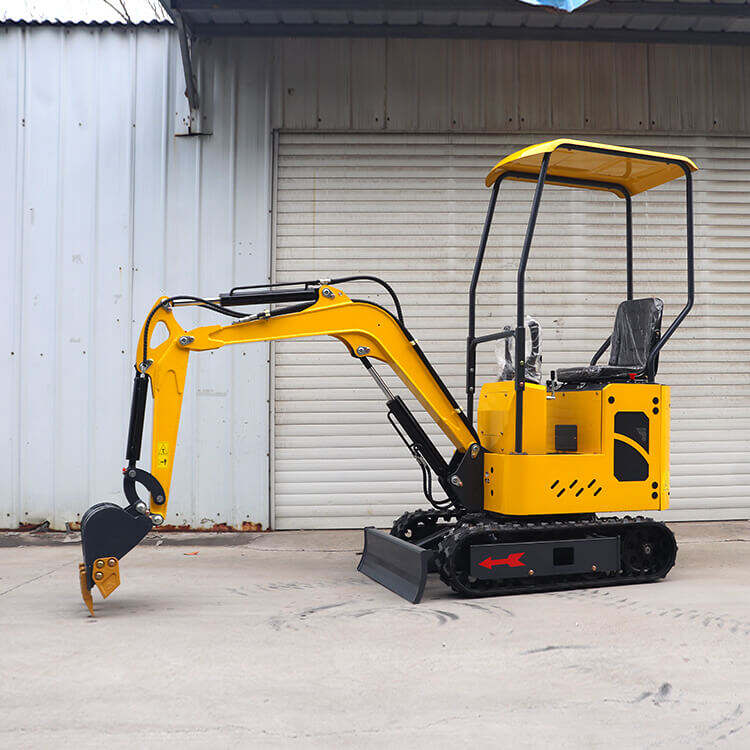
Optimize Operator Skill and Training for Higher Mini Excavator Productivity
The Impact of Skilled Operators on Mini Excavator Efficiency
Skilled operators improve mini excavator productivity by 18–27% compared to untrained workers (Equipment World, 2023). Proper training reduces cycle times through precise bucket placement and cuts material spillage by 32% during trenching. Certification programs that cover load calculations and stability principles help prevent accidents on slopes, enhancing both safety and efficiency.
Essential Training Programs for Mastering Mini Excavator Controls
Manufacturers recommend 40–60 hours of combined classroom and simulator training before field operation. Core components include precision grading for utility installations, safe hydraulic system engagement protocols, and emergency shutdown procedures for unstable loads. OSHA-compliant programs focusing on joystick sensitivity and attachment calibration show a 94% improvement in first-time digging accuracy.
Efficient Digging Techniques: Depth, Angle, and Swing Minimization
Optimal digging occurs at a 45° bucket angle with swing arcs limited to under 120°. A 2024 excavation study found the following performance gains:
| Technique | Productivity Gain | Fuel Savings |
|---|---|---|
| Reduced swing | 22% | 15% |
| Layered digging | 18% | 12% |
| Continuous tracking | 27% | 9% |
Operators who pre-plan dig depth sequences complete trenching tasks 31% faster than those using reactive approaches.
Proper Positioning and Bucket Angling to Reduce Cycle Time
When machines operate within around 80% of their full reach zone, they need to be moved back and forth roughly 40% less often during operations. Getting those tracks aligned at exactly 90 degrees relative to the trench line makes a big difference too. Operators report about 28% quicker loading times when this happens, plus hydraulic systems seem to take on 19% less stress over time. And let's not forget the bucket teeth replacement costs drop by nearly 40% with proper alignment. Experienced crews know the trick is moving both the boom and stick at once while maintaining good load angles throughout. This simple technique saves approximately 15 seconds per cycle, which adds up significantly across an entire workday on site.
Implement Preventative Maintenance to Ensure Reliable Mini Excavator Performance
Daily Inspection Routines to Prevent Unexpected Downtime
Doing a quick 10 minute check over equipment regularly cuts down on unexpected breakdowns by around 70 percent. What should technicians be looking at? Well, first things first, those hydraulic lines need to be checked for any signs of leakage. The tracks should have just the right amount of tension not too tight, not too loose. And don't forget to look at those air filters they get dirty fast. A recent study from 2023 on equipment reliability found that about eight out of ten hydraulic problems come from dirty fluid something that could have been caught with a simple daily glance. Newer machines make life easier with their central grease points, while older ones still need someone to manually oil those pivot points and boom connections. It's these small maintenance tasks that keep operations running smoothly day after day.
Hydraulic System Care and Preventative Maintenance Best Practices
Without proactive maintenance, mini excavator hydraulic efficiency declines by 15–20% annually. Manufacturer guidelines emphasize quarterly fluid analysis and seasonal hose inspections. Replace hydraulic filters every 500 operating hours or immediately if pressure gauges show irregular fluctuations. Operators using biodegradable fluids must adhere to stricter 250-hour change intervals to avoid viscosity breakdown.
Extending Machine Lifespan Through Fluid Analysis and Filter Changes
According to some tribology experts out there, spectral fluid analysis catches around 90-95% of those component wear problems long before they actually fail. The real trick is implementing what we call a dual interval approach. Most folks find that checking engine and hydraulic oils once a month works pretty well, while keeping an eye on coolant pH every other month makes sense too. Take one excavation company in the Midwest for instance they managed to get nearly four extra years out of their mini excavators by following this routine, and still kept most components running reliably at better than 95%. And don't forget about those annual valve lash adjustments either. They might seem small, but these regular checks really do make a difference when it comes to both day-to-day performance and what the equipment will fetch down the road when it's time to sell off old machinery.
Improve Fuel Efficiency and Reduce Operating Costs with Smart Operation
Fuel management and idle reduction strategies for mini excavators
Fuel makes up about a third to almost half of all operating expenses, and let's face it, those machines sitting there idling are basically burning money. According to the latest numbers from the 2024 Heavy Equipment Fuel Efficiency Report put out by Associated Training Services, cutting down on idle time by just one hour each day can save operators over 200 gallons of diesel per year. That adds up fast when looking at annual costs. For anyone running heavy machinery, installing those automatic engine shutdown timers really pays off. Also worth mentioning is how applying power gradually rather than flooring it right away helps cut fuel consumption between 10 and 15 percent while still getting the job done properly. Most operators find these methods work surprisingly well in practice.
Maximizing efficiency using eco-mode settings on mini excavators
The eco mode in these machines works by adjusting how much hydraulic fluid flows through the system and what speed the engine runs at depending on what the machine is doing. This cuts down on fuel usage somewhere around 8 to 12 percent without making the equipment any less effective. The system basically knows when to dial back power delivery so it runs at lower RPMs during regular digging tasks but still keeps enough oomph for those tough jobs that require serious muscle. Operators who angle their buckets correctly get even better results from this feature, which means they can save money on fuel costs throughout most typical workday scenarios.
Monitoring fuel consumption with telematics: Industry case study insights
Telematics provide real-time fuel tracking and identify inefficient patterns. A 2024 manufacturer study showed GPS-enabled monitoring reduced fuel waste by 18% across 120 machines through improved routing. Teams combining telematics feedback with scheduled maintenance achieved 22% lower operating costs compared to standard practices.
Enhance Job Site Workflow Through Strategic Planning and Material Staging
Worksite planning to minimize machine repositioning
Strategic site layout reduces mini excavator movement by 40%, according to construction efficiency studies. Designate clear zones for digging and loading to eliminate redundant repositioning. Maintain 3-meter-wide access paths around work areas to allow smooth equipment rotation without partial disassembly.
Staging materials efficiently to reduce travel distance and idle time
Putting materials no more than about 15 feet away from where digging is happening really cuts down on how far equipment has to move around when loading stuff up. We've seen sites save roughly 30% in travel time just by keeping things close at hand. The roads between work areas need to stay plenty wide so big machines can pass safely without getting stuck or causing accidents. This isn't just common sense; most site managers include it in their standard setup plans. When organizing storage spaces, separate different types of materials and group them based on how often they get used. Put those items workers grab all the time right where operators can see them easily without having to hunt through boxes or containers first thing in the morning.
Team communication protocols to support smooth mini excavator operations
Use standardized hand signals and conduct daily briefings to coordinate excavator movements with ground crews. Equip teams with multi-channel two-way radios for complex sites; real-time communication reduces delays by 18% (Construction Productivity Report, 2023). Establish clear escalation procedures to resolve obstacles without interrupting productive digging cycles.
Increase Versatility and Output with the Right Attachments and Tools
How Attachments Boost Mini Excavator Productivity Across Job Types
When equipped with the right attachments, compact excavators become incredibly versatile machines that can handle everything from basic grading work to complex drilling tasks, even take on demolition jobs and manage all sorts of materials around construction sites. The numbers tell a story too hydraulic breakers are knocking out rocks at about 40 percent faster rates compared to what workers could achieve manually according to last year's Construction Equipment Attachments Report. And don't get me started on those augers they cut down the time needed for digging foundation holes by roughly 30%, thanks to better torque management. Landscapers especially appreciate tilt grade buckets paired with laser guidance systems these make site preparation much smoother and more accurate than traditional methods ever were.
Rent or Invest? Choosing Breakers, Augers, and Grapples Based on Project Needs
Short-term or seasonal projects benefit from renting high-cost attachments like processors (average $180/day) through certified dealers. Frequent users gain a 2.6x ROI over three years by purchasing grapples with automatic debris-sorting claws, which reduce manual labor. Consider these factors:
| Criteria | Rent | Purchase |
|---|---|---|
| Cost Efficiency | Projects < 8 weeks | Projects 15 weeks |
| Storage Needs | None | Requires secure dry facility |
| Maintenance | Dealer responsibility | In-house upkeep required |
Quick Coupler Systems for Fast, In-Cab Attachment Changeover
Modern hydraulic quick couplers reduce swap times from 25 minutes to under 90 seconds, as verified in field tests by leading manufacturers. Choose ISO 13031-compliant systems with dual safety locks to prevent accidental disengagement during lifting or trenching operations.
Maintaining Buckets and Ground Engaging Tools for Peak Digging Performance
Follow a 3-step maintenance protocol:
- Inspect teeth and edges daily for wear exceeding 15% of original thickness
- Replace shank protectors every 500 operating hours in abrasive soils
- Apply anti-corrosion coatings monthly in coastal environments
Proper care extends bucket lifespan by 70% compared to neglected units, preserving digging force within OEM specifications.
Frequently Asked Questions (FAQ)
What training is essential for mini excavator operators?
It's recommended to undergo 40–60 hours of combined classroom and simulator training, covering precision grading, hydraulic engagement protocols, and emergency procedures.
How can digging techniques impact productivity?
Optimal digging utilizes a 45° bucket angle with limited swings, resulting in significant productivity and fuel savings.
What preventative maintenance is crucial for mini excavators?
Daily inspections, hydraulic system care, and fluid analysis are essential practices to ensure reliable performance.
How can operators improve fuel efficiency?
By implementing idle reduction strategies, using eco-mode settings, and utilizing telematics for real-time tracking, operators can significantly enhance fuel efficiency.
Should I rent or purchase attachments for mini excavators?
Consider renting for short-term projects and purchasing for long-term use, factoring in cost efficiency, storage needs, and maintenance.
Table of Contents
- Optimize Operator Skill and Training for Higher Mini Excavator Productivity
- Implement Preventative Maintenance to Ensure Reliable Mini Excavator Performance
- Improve Fuel Efficiency and Reduce Operating Costs with Smart Operation
- Enhance Job Site Workflow Through Strategic Planning and Material Staging
- Increase Versatility and Output with the Right Attachments and Tools
- Frequently Asked Questions (FAQ)